Performing Arts Impact Evaluation on Society Study Scholarly Articles
Introduction
The global spread of COVID-nineteen in the early on months of 2020 triggered awe-inspiring upheaval inside the arts and creative industries. The instigation of lockdown measures in countries internationally led to the immediate closure of public spaces, galleries, exhibitions, museums, arts venues, and other cultural avails. A contempo report from the Organisation for Economic Co-operation and Evolution OECD (2020) shows that the cultural sector was heavily affected by the pandemic due to a sharp driblet in revenues and reductions of public and private funding for arts and civilization. In the United Kingdom, for example, enforced cancelations and closures in theaters led to over 15,000 canceled theatrical performances with a loss of over £303 million in box function revenue in the offset 12 weeks of lockdown (House of Eatables, 2020). While the United Kingdom government provided a rescue funding parcel for the cultural sector, the prolonged restrictions on social distancing withal eventually led to many closures and redundancies in the sector (Arts Quango England, 2020; House of Commons, 2020). However, the pandemic also provided new opportunities for arts date. Many arts and cultural providers began offering virtual activities to go on people engaged in digital arts activities (e.g., virtual museum tours), online groups (e.g., net book clubs and virtual choirs), and streamed performances (due east.thou., concerts and plays). Further, many fine art forms became global lockdown trends, with viral videos of people singing from households and balconies effectually the world and a rapid increment in the sale of crafts materials such every bit paints and wools (Taylor, 2020). It has also been shown past a contempo report from the United Kingdom Department for Digital, Culture, Media and Sport that, amidst over 1000 respondents, nearly one-half of them engaged in artistic activities (e.g., story-writing, painting and drawing, designed video games) at home in May 2020 (DCMS, 2020). And so whilst cultural engagement and community arts date were entirely ceased during strict lockdown, opportunities emerged for home-based arts engagement.
Still, what remains unclear is who engaged with the arts at home in lockdown and how this engagement differed from patterns of arts appointment prior to COVID-nineteen. Arts appointment has been plant to exist socially and geographically patterned (Mak et al., 2020a, b). Previous studies have shown that, in general, people who are younger, female, of white ethnicity, not married, and not living with children are more likely to participate in arts activities (including musical activities and visual and literature arts) (Devine and Dowds, 2013; Parkinson et al., 2014; Mak et al., 2020b). Further, it has been shown that individuals with college educational qualifications and those in employment also take a higher date rate in the arts (Parkinson et al., 2014; Mak et al., 2020b). However, the sudden transition to solely abode-based forms of arts engagement during the pandemic (especially the increase in online and digital arts engagement) might have changed the dynamics in the engagement. Borrowing the COM-B behavioral change model (Michie et al., 2011), the transition to new patterns of appointment might have attracted new participants who had lower date rates in usual times. The COM-B behavioral change model proposes that capabilities (i.e., knowledge and skills), opportunities (i.due east., individuals' social and physical environment), and motivations (i.east., reflective and automatic) are of import factors for beliefs alter to occur (Michie et al., 2011). For instance, the wider access to arts and cultural programs and classes on the internet (e.g., online trip the light fantastic courses, sewing video tutorials) may have offered a chance for individuals to develop skills, creativity and confidence in the arts, building individual capability. Further, the proliferation of online opportunities may have provided opportunities to reach potential participants who might have been isolated from community activities or lived in areas with high levels of deprivation and few activities available, and have therefore missed out before the pandemic. Recent reports have also suggested that many individuals increased their arts engagement during this time due to a lack of opportunities to appoint in many other leisure activities (Shehadi, 2020). In addition, the COVID-19 rules and regulations such every bit social distancing, travel restrictions, 'stay at home' orders and the closure of non-essential shops and entertainment may have motivated individuals to expect for creative habitation-based activities including doing the arts. Indeed, a cantankerous-country study in the The states and Korea establish that moving arts and cultural activities online (e.k., virtual museums, arts galleries and alive theaters) created more opportunities for children to experience the arts during COVID-nineteen (Choi et al., 2020). Nevertheless, it is currently unclear how frequencies of arts engagement changed during COVID-xix compared to prior to the pandemic.
It is as well unclear who engaged in the arts during the pandemic. There is a well-reported social gradient in arts engagement exterior of pandemic circumstances (Parkinson et al., 2014; Mak et al., 2020b), and information technology is possible that this aforementioned social gradient was maintained during the pandemic. For instance, people from higher SES may accept had greater resources and time to access to the arts well-nigh than those from lower SES who may have experienced economic challenges during the pandemic and hence take less time to spend on the arts (Choi et al., 2020). In addition, there is a recognized digital divide among people who have electronic devices and a good access to stable internet connection and those who practice not have either (Choi et al., 2020). As a result, despite a wider access to arts and culture through the cyberspace, the engagement rate may nonetheless exist socially patterned. Moreover, for people who may previously have used the arts and cultural activities for social purposes, the sudden transition to solely dwelling-based appointment may have reduced interest in engaging. As a result, information technology remains unknown whether the same social patterning of arts date reported in previous studies of audition demographics for the arts was maintained in lockdown during the pandemic, or whether new profiles of arts audiences emerged.
Another important question is whether this abode-based arts appointment was associated with people's abilities to cope during lockdown. Arts activities involve various components (e.g., imagination, sensory activation, cognitive stimulation and social interaction) that tin can prompt psychological, physiological, social and behavioral responses which are associated with the management of mental health and wellbeing (Fancourt and Finn, 2019). With an increasing number of people suffering from mental and emotional distress, low, anxiety and loneliness during the pandemic (Bricker, 2020; Elran-Barak and Mozeikov, 2020; Groarke et al., 2020; Kwong et al., 2020; Pierce et al., 2020; Shanahan et al., 2020), arts and culture may have played a pivotal role in people's mental wellness and wellbeing, such as through facilitating reduced stress levels, reduced risks of mental illness (e.chiliad., depression and feet) and lower levels of loneliness through social interactions (Fancourt and Finn, 2019). This is supported by a recent written report during COVID-19 that suggests that hobbies such as listening to music, reading and engaging in arts activates were associated with decreases in depressive symptoms and anxiety and increases in life satisfaction (Bu et al., 2020). Further, the arts take been shown to be effective at supporting individual's coping, helping with the regulation of emotions through helping individuals to avoid stressors in their lives (e.grand., by offering lark), re-appraise problems they may be facing (east.thou., through providing time and space to problem solve), and amend their self-confidence so they are better able to face challenges (Fancourt et al., 2019). This is particularly relevant given the arts and cultural activities could potentially help individuals to escape from negative emotions aroused past news related to COVID-19, as well as to reflect their emotions and derive a sense of accomplishment through skill-edifice in doing/learning the arts (Fancourt and Finn, 2019). Even so, there is currently petty research on if and how home-based arts engagement during the pandemic helped in the regulation of emotions, and how this varied depending on blazon of arts activeness and by personal characteristics.
Therefore, this newspaper explored iii interconnected research questions (RQs):
1. What were the demographic, socio-economic and psychosocial predictors of home-based arts engagement during the first 10 weeks of strict lockdown in the Uk?
2. How did frequency of arts engagement compare to prior to the pandemic amid different subgroups?
3. How were different arts activities used to regulate emotions during lockdown amongst different subgroups?
To accost the iii RQs, nosotros used statistical regression analysis to judge the relationships between predictors and home-based arts date (RQ1), the frequency of the engagement (RQ2), and the utilize of arts for emotional regulation (RQ3). Nosotros hypothesized that the types of arts engagement, frequency of the appointment, and the use of arts for emotional regulation varied depending on people's demographic background, socio-economic position, psychosocial wellbeing and health factors, adverse events and worries experienced during lockdown, and their personal coping styles.
Materials and Methods
Participants
This study analyzed data from the United Kingdom COVID-19 Social Study run by University College London, a longitudinal written report that focuses on the psychological and social experiences of adults living in the Great britain during the COVID-xix pandemic. The report commenced on 21st March 2020 and involves weekly online data collection from participants for the duration of the pandemic. The written report is not random and therefore is not representative of the Britain population. However, information technology does comprise a heterogeneous sample that was recruited using three primary approaches. First, snowballing was used, including promoting the study through existing networks and mailing lists (including big databases of adults who had previously consented to be involved in wellness inquiry beyond the Britain), print and digital media coverage, and social media. Second, more than targeted recruitment was undertaken focusing on (i) individuals from a depression-income background, (ii) individuals with no or few educational qualifications, and (iii) individuals who were unemployed. Tertiary, the report was promoted via partnerships with third sector organizations to vulnerable groups, including adults with pre-existing mental health conditions, older adults, carers, and people experiencing domestic violence or abuse. The study was approved by the UCL Inquiry Ideals Committee [12467/005] and all participants gave informed consent. A full protocol for the written report is bachelor online at world wide web.COVIDSocialStudy.org.
Arts appointment was asked as a one-off module in week ten of data drove from 21st May 2020 to 28th May 2020, with 28,743 participants completing the survey within these dates and providing responses to all measures on arts appointment. All the same, some participants opted non to provide details on their demographic backgrounds (e.one thousand., gender and household income), so were excluded for these analyses, leaving a terminal sample with complete data of nineteen,384 participants.
Measures
Arts Engagement
In calendar week 10 of lockdown (21st May 2020), participants were asked in detail about their active arts engagement over the lockdown flow (since 23rd March 2020). Questions explored 14 different types of arts appointment (either in person or well-nigh). A full list of variables is shown in Table ane. Responses measured on a five-bespeak scale – "not at all," "a few days," "one time or twice a week," "most days," and "every twenty-four hours." Reponses to the original five-point scale are presented in Supplementary Tabular array i. These responses were collapsed into a binary indicator of "engaged" (those who reported engaging in any of these activities "a few days," "once or twice a week," "most days," or "every day") vs. "did non appoint" (respondents who reported of not engaging in the activeness at all), given that there was a large proportion of respondents reporting non-engagement in these activities (except for reading books where 33% reported "not at all" and listening to music where xix% reported "not at all").
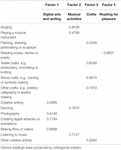
Table 1. Tetrachoric factor analysis for types of arts activities during the COVID-19 pandemic in the United Kingdom.
Participants were also asked to rate whether their levels of arts engagement in April/May were less than usual (prior to the COVID-19 pandemic), about the same, or more than usual. In June/July, this question was repeated, this time request people to compare their frequency of arts engagement in June/July (when the coronavirus restrictions were more relaxed) with the frequency in April/May.
Emotion Regulation Through Arts Appointment
To measure how respondents used artistic activities during the pandemic to regulate their emotions, we used the Emotion Regulation Strategies for Artistic Artistic Activities Calibration (ERS-ACA) (Fancourt et al., 2019). Respondents were given a set of 18 items (with a five-signal scale ranging from "strongly disagree" to "strongly agree") and were asked to what degree they agreed the argument when engaging in whatsoever of the arts activities. Three subscales were derived- "approach strategy" (half-dozen items such as acceptance and problem solving; alpha = 0.90), "avoidance strategy" (7 items such as distraction and detachment; blastoff = 0.xc), and "cocky-development strategy" (five items such as enhanced self-identity and improved cocky-esteem; blastoff = 0.90). The arroyo and avoidance strategies take a correlation coefficient of 0.66; the approach and self-development strategies have a correlation coefficient of 0.77; and the avoidance and self-development strategies take a correlation coefficient of 0.69. A full list with factor loadings of the items is shown in Supplementary Table 2; the loadings were in line with those shown in the previous validation study (Fancourt et al., 2019).
Predictors/Covariates
In our assay, we considered a rich set of demographic, socio-economic, psychosocial and health factors, adverse events and worries during lockdown, and coping styles as predictors of arts appointment. Demographic factors included respondents' age (18–29 vs. 30–59 vs. sixty+), gender (female vs. male), ethnicity (white ethnic vs. ethnic minority), partnership status (unmarried and never married vs. divorced or widowed vs. in a human relationship/married but living autonomously vs. in a relationship/married and cohabiting), living arrangement (living solitary vs. not living lone and without children vs. not living alone and with children), and living area (living in city/town vs. living in remote suburban areas).
Socio-economic factors included employment condition (full-time employment/cocky-employed vs. office-time employment vs. economically inactive [e.m., student/retired/homemakers/unable to work due to disability] vs. unemployed and seeking piece of work), educational levels (undergraduate degree/professional qualification/postgraduate degree vs. mail service-16 vocational course/A-levels [subject specific qualifications typically taken at historic period eighteen] or equivalent [at schoolhouse until age 18] vs. completed GCSE/CSE/O-levels [discipline specific qualifications typically taken at age sixteen] or equivalent [at school until age sixteen]/no qualifications), household income (>£30,000 vs. <£30,000 total household income per annum), housing space (overcrowded household [defined as more than one person per room in the house, excluding bathrooms and kitchen] vs. non overcrowded), whether respondents were keyworkers and whether respondents were house owners.
Nosotros also controlled for three psychosocial wellbeing measures and ii health conditions. The three psychosocial wellbeing measures include social support, an adapted version of the six-item short class of Perceived Social Back up Questionnaire (F-SozU K-half-dozen). Each particular is rated on a five-signal scale from "not true at all" to "very true," with higher scores indicating higher levels of perceived social support. Minor adaptations were fabricated to the language in the scale to brand information technology relevant to experiences during COVID-19 (Supplementary Tabular array iii) (Kliem et al., 2015; Lin et al., 2019); size of social network (big network with ≥three friends vs. small network with <3 friends); loneliness, which was using the iii-item UCLA-3 loneliness [a short form of the Revised UCLA Loneliness Calibration (UCLA-R)], with an additional detail asking how ofttimes respondents felt lonely. Each particular is rated with a three-point rating scale, ranging from "hardly always" to "often," with higher scores indicating greater loneliness (Russell et al., 1980). The two wellness conditions include whether respondents had any of the post-obit diagnosed mental wellness conditions: clinically diagnosed feet, clinically diagnosed depression, or other clinically diagnosed mental health trouble; and whether they had any of the following diagnosed physical status or disability: loftier blood pressure level, diabetes, center affliction, lung disease, cancer, another clinically diagnosed chronic physical health condition, a inability that affects ability to go out the house, or another disability.
We also considered respondents' adverse events and worries experienced during the pandemic. For adverse events, these include COVID-xix diagnosis (diagnosed and recovered or diagnosed and still ill or not formally diagnosed only suspected vs. no diagnosis), concrete/psychological abuse (existence physically harmed/hurt by somebody else or being bullied, controlled, intimidated or psychologically hurt by someone else vs. no abuse), financial difficulties (unable to pay bills/hire/mortgage or had a major cut in household income vs. no difficulties), lost work (lost their chore/unable to do paid work vs. did non lose work), difficulties accessing nutrient (unable to access sufficient food vs. no difficulties) and difficulties accessing medication (unable to access required medication vs. no difficulties). For worries, these include individuals indicating whether of the following items were a source of minor and/or major stress (defined as stress that was constantly on their mind or kept them awake): COVID-19 stress (worried virtually communicable COVID-19 or becoming serious ill from COVID-19), worries over personal safe, worries over finances, worries over unemployment, worries over food access, and worries over medication access.
Lastly, our model controlled for respondents' coping styles. Coping is broadly defined as the cognitive and behavioral efforts and individuals employ to manage stress (Ray and Gibson, 1982; Lazarus and Folkman, 1991). These behaviors are often referred to every bit strategies, and may exist either conscious or unconscious (Lazarus and Folkman, 1991). There are a number of ways to categorize coping strategies, which largely middle effectually stressor and one's deportment (or inactions) toward it (Aspinwall and Taylor, 1997). We measured coping using the 28-detail Brief COPE scale (Carver, 1997) and in line with previous research, we used a four-gene model for our analysis: problem-focused coping manner, emotion-focused coping manner, avoidant coping way, and supportive coping style (Nahlen Bose et al., 2015).
Analyses
To place the underlying latent categories of arts engagement, we ran a factor analysis of the matrix of tetrachoric correlations using all the arts activity measures. The Kaiser–Meyer–Olkin measure of sampling adequacy was 82.4 (meritorious). The Kaiser's criterion of eigenvalues >1 clearly indicated a four-factor structure, and inspection of a scree plot confirmed this was a reasonable choice (Kaiser, 1960). The four-factor loading was the same in oblique and orthogonal rotations.
Four arts activities were loaded on Factor i (labeled as "digital arts and writing"), which included artistic writing, photography, creating digital artworks or animations, and making films or videos. Factor ii (labeled equally "musical activities") had iv factor loadings including singing, playing a musical instrument, dancing, and listening to music. Factor 3 (labeled as "crafts") was comprised of five loadings, including painting, drawing, printmaking or sculpture, textile crafts (eastward.one thousand., embroidery, crocheting or knitting), forest crafts (e.m., etching or furniture making), other crafts (e.g., pottery, calligraphy or jewelry making) and other artistic activity. Finally, gene 4 (labeled as "reading for pleasure") just had one loading. Nosotros generated a binary indicator for whether respondents had engaged in any activity within each of the iv categories during lockdown (Table 1).
Given the various nature of the event variables (binary, categorical, and continuous variables), dissimilar forms of regression analysis were practical in this study:
For RQ1, multivariate logistic regression was applied to calculate the odds ratio (OR) and 95% conviction intervals (CIs) to predict how likely participants were to take engaged in each of the arts appointment beliefs based on predictors. Five sets of models were performed past entering different sets of covariates sequentially. Model ane examined the relationship between demographic factors and arts engagement. Model 2 additionally included socio-economical position to Model 1. Model iii additionally adjusted for psychosocial wellbeing and health conditions. Model 4 additionally controlled for adverse events/worries, and finally, Model five additionally considered coping styles in the model.
For RQ2, we used multinomial logistic regression to estimate the relative run a risk ratio (RRR) of whether people had been engaging more than or less arts activities than usual. Similar to RQ1, model was sequentially adapted for all covariates.
For RQ3, ordinary least squares (OLS) regression was applied to identify the predictors of the emotional regulation strategies through arts date. Coefficients and 95% CIs were provided to indicate the direction of the relationship between a predictor and each of the emotion regulation strategies. Model was adapted for all covariates.
To balance the information against population demographics, we weighted data to friction match the core demographic features of the target population (namely gender, historic period groups, ethnicity, education and country of living including England, Wales, Scotland, and Northern Republic of ireland) obtained from the Office for National Statistics (2020). The Stata user-written command 'ebalance' were used for weighting for the selected analytical sample. Full details on study sample, procedures and content are provided in the online user guidei. As multiple regression models were applied in this study, nosotros adjusted the p-value to 0.01 to produce more bourgeois results. All analyses were carried out in Stata v16.1.
Results
In our weighted sample, 10% were anile xviii–29, 47% aged 30–59 and 43% aged 60 or above. Half of the sample were female, 92% were of white ethnic, and 22% of the sample were living alone. On average, 38% had a caste or above, 52% had an almanac household income of >£30,000, and 41% of the sample were in full-time employment or were self-employed, whilst 45% were economically inactive (e.g., students and the retired) (Table 2).

Table 2. Descriptive statistics of the analytical sample (unweighted and weighted).
RQ1: Predictors of Arts Engagement
Demographic Backgrounds
Younger adults (aged 18–29) were more probable to appoint in all kinds of arts activities apart from reading for pleasance during the pandemic, whereas older adults (aged sixty+) were more likely to do crafts (OR = 1.xv) and read for pleasure (OR = i.72) just were less likely to engage in musical activities (OR = 0.56), compared to adults aged 30–59. Females had a 2.2 to ii.iii times higher odds of reading and doing crafts, respectively. In comparing to those who were unmarried and never married, respondents who were divorced or widowed were less likely to appoint in digital arts and writing (OR = 0.75), whereas people who were living with a partner were more likely to read for pleasure (OR = 1.27). Nonetheless, respondents who lived with children had a 26% lower odds of reading. College engagement in digital arts and writing (OR = 1.28) was found in people living in remote suburban areas. No associations were found between ethnicity and home-based arts activities (Tabular array 3).
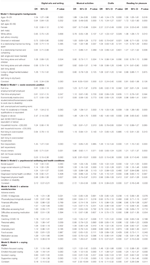
Tabular array 3. Logistic regression predicting the types of arts activities during the COVID-19 pandemic in the United Kingdom (weighted; N = 19,384).
Socio-Economical Factors
Whilst employment status was non associated with any arts activities, people with higher education levels were more probable to engage in all kinds of activities. In detail, those with a caste or in a higher place qualification had a 1.5 to iii times higher odds of engaging in the arts. People with an annual household income of >£30k had a fifteen% lower odds of engaging in crafts activities. While living space was not related to any of the arts activities, respondents who were a firm possessor had a twenty% lower odds of engaging in digital arts and writing just had a 21% higher odds of reading for pleasure. College engagement in digital arts and writing, crafts activities and reading was likewise found in individuals who were not keyworkers (Tabular array 3).
Psychosocial and Health Factors
People with higher levels of perceived social support were more probable to engage in all kinds of fine art activities. Respondents with a larger social network had a 33% higher odds of doing musical activities and a xxx% higher odds of reading for pleasure. Whilst people who felt lonelier were more likely to engage in digital arts and writing (OR = one.04), those with a diagnosed mental wellness condition had a 25% college odds of doing crafts. No associations were found between concrete wellness diagnosis and habitation-based arts activities (Table iii).
Adverse Events/Worries
Respondents who lost their job during the pandemic had a 57% higher odds in doing digital arts and writing. No associations were found for other adverse events. Individuals who were worried most catching COVID-19 were more probable to engage in digital arts and writing (OR = i.18) and musical activities (OR = i.20). Those who were worried about their personal safety had a 25% higher odds of engaging in digital arts and writing. No associations were found for other worries (Tabular array 3).
Coping Styles
Respondents with emotion-focused and supportive coping styles were more probable to engage in all kinds of arts activities, while those with a trouble-focused coping style were more likely to engage in digital arts and writing (OR = 1.31) and crafts activities (OR = 1.48). No associations were found betwixt an avoidant coping style and home-based arts activities (Table 3).
Sensitivity Assay
In addition to ORs, we accept likewise provided marginal effects to present results as differences in probabilities, which tin can assist provide a sense of the magnitude (Supplementary Tabular array 4). For example, we establish that whilst females had a 17% and 19% college probability in reading and crafts activities than males, respectively, younger adults had a 6–9% higher probability in engaging all kinds of activities than adults aged thirty–59. Specially, our study shows that, compared to those with a qualification up to GCSE or equivalent, respondents with a caste or in a higher place qualification had a 17%, 5%, 11%, and 22% higher probability in doing digital arts and writing, musical activities, crafts activities and reading for pleasure, respectively. Given that "listening to music" is a ubiquitous activity, nosotros conducted a sensitivity assay for musical activities by omitting this activeness. When focusing on activities similar singing, playing a musical instrument, and dancing, we found that younger adults (aged 18–29), female, people of indigenous minority, those who were single and never married, people who lived with children, those with higher pedagogy level, people with greater levels of perceived social back up, those who had been diagnosed COVID-19, and people with emotional-focused or supportive coping styles engaged more in these activities (Supplementary Table v).
RQ2: Frequency of Arts Engagement
In our sample, sixteen% of people reported that they had decreased their participation in the arts during the first lockdown in Apr/May compared to prior to the pandemic, 62% had most the same amount of engagement levels earlier and during the pandemic, and 22% increased their engagement (Effigy 1).

Effigy 1. Frequency of arts appointment in Apr/May during lockdown vs. pre-pandemic.
When re-measuring in June/July where lockdown restrictions had eased, 52% of respondents who reported increasing their arts engagement during lockdown had either remained high levels of engagement or had further increased their engagement 3 months later. Conversely, 51% of respondents reported that their arts engagement decreased during lockdown had either remained low engagement or had further lowered three months later (Effigy 2).
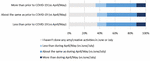
Effigy two. Frequency of arts engagement in April/May during lockdown vs. engagement across June/July.
When comparing the amount of arts appointment during the COVID-19 pandemic to the corporeality during usual times (i.e., prior to the pandemic), groups who increased their arts engagement included adults who were younger (aged eighteen–29), non-keyworkers, those with greater social back up, people who had lost work, those who were worried most catching COVID-nineteen, and those who had an emotion-focused, problem-focused or supportive coping style. In contrast, older adults (anile 60+) and individual who were economically inactive were less likely to have increased their appointment (Table 4).
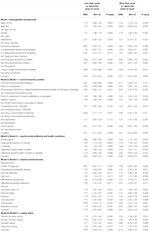
Table four. Multinomial logistic regression predicting the amount of arts engagement in April/May during the COVID-19 pandemic compared to usual amount (prior to the pandemic) (weighted; Due north = 19,384).
Conversely, groups who had decreased their arts engagement included people with post-sixteen vocational/A-levels qualifications or equivalent, those who had been physically or psychologically abused, people who were worried nearly their personal safe and those with an avoidant coping way (Table 4).
There were additional factors that indicated a change in the corporeality of arts engagement, but operated in both directions, indicating a greater likelihood of irresolute patterns amongst these groups but less consistency in the management of that modify. These included female gender, people with a degree or above didactics level, those with a larger social network, people with higher levels of loneliness, and those with a diagnosed mental wellness condition (Tabular array 4).
RQ3: Use of Arts to Regulate Emotions
Type of Arts Activities
Finally, nosotros explored how different arts activities were used to regulate emotions during lockdown. Results prove that respondents who engaged in any of the 4 arts activities also reported of using them as approach and abstention strategies to aid cope with their emotions. Respondents who engaged in digital arts and writing, crafts, and reading for pleasure were besides more likely to employ these activities to improve their self-evolution (Figures 3A–C).
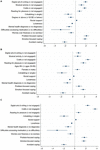
Figure three. (A) Approach strategy through arts activities. Panel (A) shows coefficients and 95% CIs from OLS regression; the model was adjusted for all covariates. Only results with p < 0.01 are shown. (B) Abstention strategy through arts activities. Panel (B) shows coefficients and 95% CIs from OLS regression; the model was adjusted for all covariates. Only results with p < 0.01 are shown. (C) Self-development strategy through arts activities. Panel (C) shows coefficients and 95% CIs from OLS regression; the model was adapted for all covariates. Only results with p < 0.01 are shown.
Demographic Factors
Older people (aged 60+) were less probable to use arts to avoid negative emotions, but age was otherwise unrelated to use of ERS when engaging in the arts. Females were more likely to use arts to help them avert negative emotions, whereas people who were unmarried and never married were more likely than those living with a partner to employ the arts to regulate their emotions. Ethnicity, living organisation and living areas were not associated with the employ of ERS when engaging in the arts (Figures 3A–C).
Socio-Economic Position
People with a caste or above qualification were less likely to use the arts to approach their problems. Employment, living infinite, keyworker status, household income and home buying were non related to the employ of ERS when engaging in the arts (Figures 3A–C).
Psychosocial and Health Factors
While individuals with higher levels of social support were probable to use arts for all ERS, people who were lonelier or had a mental wellness diagnosis were less probable to use ERS when engaging in the arts. Social network and concrete wellness diagnosis were not associated with the employ of ERS when engaging in the arts (Figures 3A–C).
Agin Events/Worries
People who were unable to access required medication or those who were worried nigh finances during lockdown were less probable to use the arts to arroyo problems or for self-development strategy. No associations were found for other adverse events or worries (Figures 3A–C).
Coping Styles
Finally, individuals with a problem-focused or emotion-focused coping style were more than likely to use arts for all ERS. However, people with an avoidant coping style were less likely to employ ERS when engaging in the arts. No associations were found betwixt the supportive coping style and the use of ERS (Figures 3A–C).
Give-and-take
Our analysis suggests that there were iv primary types of home-based arts engagement during the COVID-19 pandemic: digital arts and writing, musical activities, crafts, and reading for pleasure. The strongest predictors of habitation-based arts engagement were age, educational attainment, social back up, and emotion-focused or supportive coping styles, which were associated with all types of fine art forms. Farther, age, gender and educational attainment appear to have the strongest effects. Overall, 62% of respondents continued with the same corporeality of home arts engagement every bit prior to COVID-19, but 22% of respondents reported increasing their arts date during lockdown, and 52% of these either maintained high levels of engagement or further increased their arts date iii months subsequently later on lockdown had eased. Conversely, 16% of respondents reported that their arts engagement decreased during lockdown, and of these, 51% reported either remained low levels of engagement or had farther decreased in arts date iii months after. All arts activities were used equally approach and avoidance strategies to help people cope with their emotions, while digital arts and writing, crafts, and reading for pleasure were additionally used to help improve respondents' self-evolution.
Predictors of Irresolute Patterns of Arts Engagement
When comparing the arts engagement during the pandemic to pre-pandemic circumstance, we institute that some factors identified as predictors of arts appointment in RQ1 and RQ2 align with previous literature on predictors of arts date prior to COVID-nineteen (Devine and Dowds, 2013; Parkinson et al., 2014; Mak et al., 2020b). For instance, young people, females, people living in rural areas, those with higher educational levels, and people with higher levels of perceived social support and with greater social network are more likely to engage in the arts (Devine and Dowds, 2013; Parkinson et al., 2014; Risner, 2014; Mak et al., 2020a, b). In particular, younger adults and respondents with greater social support were likely to have increased their engagement during the pandemic. Further, our study besides shows that adults living with children were less probable to read for pleasure during the pandemic [as has also been shown in a previous study (Mak et al., 2020b)]. Nevertheless, we also plant a lot of variation in arts appointment during the pandemic, in relation to respondents' ethnicity, partnership status, SES, levels of loneliness, and mental and physical health conditions, equally well every bit new emerging factors in the engagement during lockdown, including agin events and worries, and people'due south own coping styles.
The patterns and predictors of arts engagement before and during the pandemic can be understood through the lens of the COM-B behavior change model, which suggests that appointment in activities is influenced past people'south capabilities (i.east., knowledge and skills), opportunities (i.e., individuals' social and ecology), and motivations (i.eastward., habitual processes, emotional responding and analytical controlling) (COM-B) (Michie et al., 2011). For instance, younger adults may accept greater levels of psychological capabilities and ecology opportunities to access to cyberspace and engage in a diversity of arts activities at abode (e.g., virtual choir), whereas older adults are peradventure more likely to engage in the arts in a grouping and the lockdown measures might take prevented them from doing so. It is also possible that younger adults who experienced poorer mental health across lockdown and were more than likely to have been furloughed or lost their job (Fancourt et al., 2020) might have been more than motivated to make conscious efforts to engage in leisure activities. On the other hand, adults living with children may accept had fewer physical opportunities to do arts activities (most likely due to time constraints) regardless of the pandemic circumstances.
While some of the demographic factors remain unaffected during the pandemic, our study shows that ethnicity played a role in the changing patterns of arts engagement. In dissimilarity to previous research, which shows that people of indigenous minority background were in general less likely to engage in the arts (Parkinson et al., 2014; Mak et al., 2020b), we constitute no ethnic differences during the pandemic. One possible explanation is that people from white indigenous backgrounds may have been more probable to engage in arts activities within community venues prior to the pandemic. Therefore, with the sudden change in physical and environmental opportunities with but home-based engagement available during lockdown, the ethnic deviation in participation rate may have been reduced. Limited opportunities may also be reflected in people with dissimilar partnership status during the pandemic. Whilst previous studies show that not-married individuals were usually more than likely to participate in the arts than those who were married (Mak et al., 2020b), we establish that single and never married read less than cohabiting couples but engaged more in digital arts and writing activities than those who were divorced or widowed (possibly due to increased opportunities in online activities).
Individual socioeconomic position was also related to changing patterns of the engagement during the pandemic. Previous studies have suggested that people from lower SES more often than not engaged less in the arts prior to the pandemic (Parkinson et al., 2014; Mak et al., 2020b), still nosotros found no socio-economic differences during the lockdown. One explanation is that the sudden transition to online and remote arts forms may have created new environmental and physical opportunities for people from various background to engage in the arts. Further, the strict lockdown rules might have reduced physical opportunities for people with higher SES to engage in the arts due to cancelation of arts events, programs and classes, and hence the socio-economic differences in engagement rate may have been reduced. However, information technology is also plausible that the gradient in participation across levels of SES were found more prominently in outdoor arts activities (eastward.g., attention performances, paid grouping memberships, and courses) where people with advantaged backgrounds are most likely to be able to afford participation. Home-based arts activities, on the other hand, are peradventure more commonly engaged by people across diverse SES due to easy accessibility to arts materials (eastward.g., coloring pencils, books, and sketchbooks). Moreover, a rapid increase in activities such equally rainbow drawing to support frontline health professionals and keyworkers in the United Kingdom may also have provided motivations for people with different backgrounds to appoint in the arts. Additionally, when comparing the amount of arts appointment across levels of SES, our study shows that individuals who were economically inactive were less probable to have increased their date than those who were unemployed and seeking work. This may suggest that people who were looking for jobs during the pandemic may have had increased motivations for arts engagement for emotional regulation and relaxation purposes. Our analysis besides found that household income, keyworker status and home buying were factors predicting people'due south arts engagement during lockdown, well-nigh likely due to new and emerging physical opportunities (e.g., time constraints). However, information technology appears that the pandemic may not have afflicted the date rate amongst people with higher pedagogy level. A possible explanation for this is that people with higher education levels are likely to take greater psychological capabilities to appoint in the arts (e.g., musical skills and confidence) (Fancourt and Baxter, 2020), and hence were able to maintain high levels of date even during a national lockdown.
The unchanged pattern of education and arts engagement is besides reflected in people'southward social back up and network, where greater levels of support and network were associated with higher arts participation rate both prior to and during the pandemic (Risner, 2014). Social support and network may have afflicted people'southward psychological capabilities (e.1000., skills substitution) and motivations (e.g., social belongings) to involve in arts activities through group engagement. However, the current pandemic may take too created new ecology opportunities and motivations for people with higher levels of loneliness and a diagnosed mental condition to appoint in the arts, particularly in digital arts and writing and in crafts activities. This is the opposite finding to some previous research, which has suggested that happier people are more than likely to engage in the arts (Fancourt and Baxter, 2020), and could advise that the proliferation and encouragement of online and home-based activities helped to reduce barriers to access the arts. Similarly, our written report shows that there were no differences in arts appointment between people with or without a concrete health condition. In contrast to the previous findings (Parkinson et al., 2014), greater accessibility to and availability of online arts appointment may have helped wider audiences to engage in arts activities, creating more environmental and physical opportunities for people (including those with a concrete health condition) who accept traditionally engaged less in the arts.
Finally, we also looked at specific experiences during the pandemic to explore whether they may play a office in people'southward arts engagement. We constitute that individuals who had lost work, or were worried near catching COVID-19 or their personal prophylactic engage more digital arts and writing and musical activities. Information technology is possible that adverse events and worries might have triggered higher motivations to engage with the arts equally office of emotion-focused and supportive coping styles to regulate their emotional responses to these events/worries. Indeed, in our final analysis, we plant that those with an emotion-focused coping way were more likely to engage in whatsoever kinds of activities and make greater apply of the arts to regulate their emotions. We also found that both problem-focused and supportive coping styles were positively associated with most of the arts activities, and in particular, people with a trouble-focused coping mode tended to utilise the arts to manage their emotions. This echoes previous literature that shows that a problem-focused coping way ordinarily involve directly addressing and attempting to mitigate stressors (Aspinwall and Taylor, 1997). However, as there is little control an individual can accept over the wider pandemic, these findings signal that these individuals may have focused on improving their own mental health during lockdown through engaging in activities such as the arts. Further, emotion-focused coping styles seek to minimize emotional responses to stressors (Bakery and Berenbaum, 2007), therefore individuals who favor these coping styles may seek out activities, such as the arts, which are known to accept mental health benefits. In contrast, those with an avoidant coping style engaged less in arts activities during lockdown than before. Avoidant coping styles are used when individuals wish to avoid and ignore the stressor rather than taking action (Rippetoe and Rogers, 1987; Skinner et al., 2003), and then could indicate that individuals were avoiding acknowledging the bear upon lockdown had on their own mental and concrete health and therefore were less likely to seek out activities such equally the arts as a means to improve wellbeing.
Arts and Regulation of Emotions
In our terminal analysis, we examined how unlike arts activities were used to regulate emotions during lockdown (RQ3). Our results testify that all arts activities explored were used as arroyo and avoidance strategies to assist cope with their emotions, while digital arts and writing, crafts, and reading for pleasure additionally helped improve people's self-development. We as well found some variations in regulating emotions through the arts by personal characteristics. For case, while females were more than likely to utilise arts to avert negative emotions, people who were unmarried and never married were more likely than those living with a partner to use the arts to regulate their emotions. People who were lonelier or had a mental health diagnosis were less probable to use ERS when engaging in the arts. Overall, it is promising that arts appeared to help people with regulation of their emotions during this time, and these findings may help explain previous piece of work during COVID-19 lockdown that suggests arts date was associated with ameliorate mental health (Bu et al., 2020).
Our report is 1 of the first studies that examined the predictors and patterns of arts engagement during the COVID-xix pandemic, likewise as the implications of the date on emotional regulations. The assay was based on a large, heterogeneous sample beyond all major socio-demographic groups and the analyses were weighed to population proportions. However, this study was not without limitations. First, whilst our data was weighted to proportion of age, gender, ethnicity, educational activity and country of living) obtained from the Role for National Statistics (2020), it is possible that there might be other characteristics related to survey response were not being accounted for in the weighting procedure. Second, nosotros but explored dwelling house-based arts activities during lockdown and were conscious that people's engagement in community arts and broader cultural activities was curtailed by the onset of the pandemic. And so the net amount of arts engagement for individuals may well accept been reduced overall. Withal, our findings give an insight into changing patterns of abode-based activities. Relatedly, the groupings for arts activities were non an indication of definitive categories. Instead they were grouped based on the correlations amongst these activities. Therefore, information technology is possible that using an alternating statistical technique or alternative measures of arts engagement could have led to a unlike ready of groupings. Even so, the types of arts activities suggested are in line with those suggested in previous studies (eastward.m., Mak et al., 2020b). Notably, to capture various forms of arts engagement during lockdown, we did not specify whether respondents were engaged in person or virtually. Time to come work would exist needed to explore the patterns and predictors of online arts engagement, as well equally the bear upon on emotional regulation. Tertiary, as our analysis was based on cross-sectional information, causality cannot exist established. It is plausible that for some predictors like loneliness the human relationship was more bi-directional rather than uni-directional, with arts engagement perhaps being a gateway to social interactions through online or digital communities and helping to reduce loneliness. Given the socio-demographic factors were asked in the first moving ridge of the study (i.due east., prior to the lockdown), we did non examine how participation in government schemes such as furlough schemes might have affected people'southward time on leisure activities at home. Moreover, given that gender is a strong predictor estimating arts appointment levels, it would be interesting to too examine whether the levels would vary across gender categories that are non-binary. Finally, time to come research is needed to investigate the fashion people structured their time (e.yard., piece of work, housework and childcare) during lockdown and how this may have affected their arts engagement. More inquiry is as well required to examine whether the positive benefits of arts activities in everyday life shown in previous studies continued to do good people during the lockdown measure where social lives are curtailed.
Conclusion
Overall, this study suggests that while individuals with certain characteristics had similar levels of arts engagement earlier and during the COVID-19 pandemic, there was also some heterogeneity across social, cultural and economic groups. Our findings could be understood through the lens of COM-B behavioral change model (capabilities, opportunities, and motivations), in which the pandemic may have created new opportunities and motivations for people who have been traditionally excluded from the arts to engage while supporting others (maybe those with higher initial capabilities to engage) to maintain their usual levels of engagement. We further identified some factors that emerged as more prominent predictors of engagement during the pandemic, including worries about agin events experienced due to COVID-19 and private coping styles. These predictors may have increased people's motivations to engage in the arts. Additionally, this written report shows how arts activities were used during lockdown to help individuals manage their emotions. While more than studies are needed to understand the motivations and barriers of arts engagement during emergency and normal circumstances, this study suggests that at that place may have been different dynamics in social, cultural and economic patterning of arts engagement, leading to some new patterns in how people engaged in artistic activities and the touch on this had on them during the pandemic state of affairs. Time to come inquiry is encouraged to explore how these changing audience profiles for the arts develop equally the pandemic continues and in its aftermath to ascertain whether new audiences to the arts during COVID-19 continue as audiences in the future.
Data Availability Statement
Anonymous data will be made available following the finish of the pandemic.
Ideals Statement
Ethical approving for the COVID-nineteen Social Study was granted by the UCL Ideals Committee. All participants provided fully informed consent. The study is GDPR compliant.
Author Contributions
HWM conducted the data management and data analyses and provided input on the manuscript. MF and DF assisted with analytical issues and provided input on the analytical scheme and the manuscript. DF designed the study. All authors are responsible for reported research, analysis and interpretation of data, and drafted and revised of the manuscript.
Funding
This COVID-19 Social Study was funded by the Nuffield Foundation (WEL/FR-000022583), only the views expressed are those of the authors and non necessarily the Foundation. The study was also supported by the MARCH Mental Wellness Network funded by the Cantankerous-Disciplinary Mental Health Network Plus initiative supported by Uk Research and Innovation (ES/S002588/1), and by the Wellcome Trust (221400/Z/20/Z). DF was funded by the Wellcome Trust (205407/Z/16/Z). This project was too supported by ESRC WELLCOMM project (ES/T006994/ane) and Arts Quango England (INVF-00404362). The researchers are grateful for the support of a number of organizations with their recruitment efforts including: the UKRI Mental Health Networks, Detect Out Now, UCL BioResource, SEO Works, FieldworkHub, and Optimal Workshop. The study was likewise supported by HealthWise Wales, the Health and Care Research Wales initiative, which is led by Cardiff University in collaboration with Canvas, Swansea University. The funders had no final function in the study blueprint; in the collection, assay and interpretation of data; in the writing of the written report; or in the decision to submit the paper for publication. All researchers listed as authors are independent from the funders and all last decisions about the enquiry were taken by the investigators and were unrestricted. The research questions in the UCL COVID-xix Social Study built on patient and public involvement as part of the UKRI MARCH Mental Health Research Network, which focuses on social, cultural and community date and mental wellness. This highlighted priority enquiry questions and measures for this written report. Patients and the public were additionally involved in the recruitment of participants to the written report and are actively involved in plans for the dissemination of findings from the written report.
Conflict of Interest
The authors declare that the research was conducted in the absence of any commercial or financial relationships that could be construed as a potential disharmonize of interest.
Acknowledgments
We are very grateful to all participants in the COVID-nineteen Social Study. This manuscript has been published as a preprint in PsyArXiv.
Supplementary Cloth
The Supplementary Material for this article can be found online at: https://www.frontiersin.org/articles/10.3389/fpsyg.2021.626263/full#supplementary-material
Footnotes
- ^ https://github.com/UCL-BSH/CSSUserGuide
References
Bakery, J. P., and Berenbaum, H. (2007). Emotional approach and trouble-focused coping: a comparison of potentially adaptive strategies. Cogn. Emot. 21, 95–118. doi: 10.1080/02699930600562276
CrossRef Total Text | Google Scholar
Bu, F., Steptoe, A., Mak, H. W., and Fancourt, D. (2020). Time-apply and mental health during the COVID-xix pandemic: a console assay of 55,204 adults followed across eleven weeks of lockdown in the UK. medRxiv [Preprint] doi: 10.1101/2020.08.18.20177345
CrossRef Full Text | Google Scholar
Choi, K., Tessler, H., and Kao, Yard. (2020). Arts and crafts as an educational strategy and coping mechanism for republic of Korea and United states of america parents during the COVID-xix pandemic. Int. Rev. Educ. 66, 715–735. doi: 10.1007/s11159-020-09865-8
PubMed Abstract | CrossRef Full Text | Google Scholar
Devine, P., and Dowds, L. (2013). Agreement Society: Culture, Arts and Leisure in the Uk Regions. Last Report Apr 2013. Northern Ireland: ARK.
Google Scholar
Elran-Barak, R., and Mozeikov, M. (2020). One month into the reinforcement of social distancing due to the COVID-19 outbreak: subjective health, wellness behaviors, and loneliness among people with chronic medical weather condition. Int. J. Environ. Res. Public Health 17:5403. doi: 10.3390/ijerph17155403
PubMed Abstract | CrossRef Full Text | Google Scholar
Fancourt, D., and Baxter, 50. (2020). Differential participation in community cultural activities amongst those with poor mental health: analyses of the United kingdom taking office survey. Soc. Sci. Med. 261:113221. doi: 10.1016/j.socscimed.2020.113221
PubMed Abstract | CrossRef Full Text | Google Scholar
Fancourt, D., and Finn, S. (2019). WHO Health Show Synthesis Report- Cultural Contexts of Health: the Part of the Arts in Improving Health and Well-Being in the WHO European Region. Geneva: WHO.
Google Scholar
Fancourt, D., Garnett, C., Spiro, N., West, R., and Müllensiefen, D. (2019). How do artistic creative activities regulate our emotions? validation of the emotion regulation strategies for artistic creative activities scale (ERS-ACA). PLoS One 14:e0211362. doi: 10.1371/journal.pone.0211362
PubMed Abstruse | CrossRef Full Text | Google Scholar
Fancourt, D., Steptoe, A., Dphil, D., and Bu, F. (2020). Trajectories of depression and feet during enforced isolation due to COVID-19: longitudinal analyses of 36,520 adults in England. medRxiv [preprint] doi: ten.1101/2020.06.03.20120923
CrossRef Full Text | Google Scholar
Groarke, J. Grand., Berry, E., Graham-Wisener, 50., McKenna-Plumley, P. Due east., McGlinchey, Eastward., and Armour, C. (2020). Loneliness in the UK during the COVID-19 pandemic: cross-sectional results from the COVID-19 Psychological Wellbeing Study. PLoS One 15:e0239698. doi: ten.1371/journal.pone.0239698
PubMed Abstruse | CrossRef Full Text | Google Scholar
Firm of Eatables (2020). Impact of COVID-xix on DCMS Sectors. First Study. Great britain: Firm of Commons.
Google Scholar
Kaiser, H. F. (1960). The awarding of electronic computers to cistron assay. Educ. Psychol. Meas. Xx, 141–151. doi: 10.1177/001316446002000116
CrossRef Full Text | Google Scholar
Kliem, Southward., Mößle, T., Rehbein, F., Hellmann, D. F., Zenger, M., and Brähler, E. (2015). A cursory form of the perceived social support questionnaire (F-SozU) was developed, validated, and standardized. J. Clin. Epidemiol. 68, 551–562. doi: 10.1016/j.jclinepi.2014.11.003
PubMed Abstract | CrossRef Full Text | Google Scholar
Kwong, A. Southward. F., Pearson, R. Thou., Adams, M. J., Northstone, Chiliad., Tilling, G., Smith, D., et al. (2020). Mental health before and during COVID-19 in two longitudinal UK population cohorts. Br. J. Psychiatry doi: 10.1192/bjp.2020.242 Online ahead of impress.
CrossRef Full Text | PubMed Abstruse | Google Scholar
Lazarus, R. S., and Folkman, S. (1991). "The concept of coping," in Stress and Coping: an Anthology, eds A. Monat and R. S. Lazarus (New York: Columbia Academy Press).
Google Scholar
Lin, K., Hirschfeld, G., and Margraf, J. (2019). Brief class of the perceived social support questionnaire (F-SozU K-six): validation, norms, and cross-cultural measurement invariance in the USA, Germany, Russian federation, and Red china. Psychol. Appraise. 31, 609–621. doi: 10.1037/pas0000686
PubMed Abstract | CrossRef Total Text | Google Scholar
Mak, H. W., Coulter, R., and Fancourt, D. (2020a). Does arts and cultural date vary geographically? show from the UK household longitudinal study. Public Health 185, 119–126. doi: ten.1016/j.puhe.2020.04.029
PubMed Abstract | CrossRef Total Text | Google Scholar
Mak, H. Westward., Coulter, R., and Fancourt, D. (2020b). Patterns of social inequality in arts and cultural participation: findings from a nationally-representative sample of adults living in the Uk. Public Wellness Panorama 6, 55–68.
Google Scholar
Michie, S., van Stralen, M. M., and Westward, R. (2011). The behaviour change wheel: a new method for characterising and designing behaviour change interventions. Implement. Sci. 6:42.
Google Scholar
Nahlen Bose, C., Bjorling, G., Elfstrom, Yard. L., Persson, H., and Saboonchi, F. (2015). Cess of coping strategies and their associations with health related quality of life in patients with chronic center failure: the brief COPE restructured. Cardiol. Res. 6, 239–248. doi: 10.14740/cr385w
PubMed Abstract | CrossRef Full Text | Google Scholar
OECD (2020). Culture Shock: COVID-19 and the Cultural and Creative Sectors. Paris: OECD.
Google Scholar
Parkinson, A., Buttrick, J., and Wallis, A. (2014). Equality and Variety within the Arts and Cultural Sector in England. Prove and Literature Review Final Report. England: Arts Cultural England
Google Scholar
Pierce, Chiliad., Hope, H., Ford, T., Hatch, S., Hotopf, M., John, A., et al. (2020). Mental wellness earlier and during the COVID-19 pandemic: a longitudinal probability sample survey of the United kingdom population. Lancet Psychiatry vii, 883–892.
Google Scholar
Ray, C., and Gibson, South. (1982). The concept of coping. Psychol. Med. 12, 385–395.
Google Scholar
Rippetoe, P. A., and Rogers, R. Due west. (1987). Effects of components of protection-motivation theory on adaptive and maladaptive coping with a health threat. J. Pers. Soc. Psychol. 52, 596–604. doi: 10.1037/0022-3514.52.3.596
PubMed Abstract | CrossRef Full Text | Google Scholar
Risner, D. (2014). Bullying victimisation and social support of adolescent male dance students: an analysis of findings. Res. Dance Educ. 15, 179–201. doi: 10.1080/14647893.2014.891847
CrossRef Full Text | Google Scholar
Russell, D., Peplau, L. A., and Cutrona, C. E. (1980). The revised UCLA loneliness scale: concurrent and discriminant validity evidence. J. Pers. Soc. Psychol. 39, 472–480. doi: 10.1037/0022-3514.39.3.472
PubMed Abstract | CrossRef Total Text | Google Scholar
Shanahan, 50., Steinhoff, A., Bechtiger, L., Murray, A. L., Nivette, A., Hepp U., et al. (2020). Emotional distress in young adults during the COVID-19 pandemic: bear witness of risk and resilience from a longitudinal cohort study. Psychol. Med. i–x.
Google Scholar
Skinner, E. A., Border, M., Altman, J., and Sherwood, H. (2003). Searching for the structure of coping: a review and critique of category systems for classifying ways of coping. Psychol. Bull. 129, 216–269. doi: 10.1037/0033-2909.129.2.216
PubMed Abstract | CrossRef Full Text | Google Scholar
Source: https://www.frontiersin.org/articles/10.3389/fpsyg.2021.626263/full
0 Response to "Performing Arts Impact Evaluation on Society Study Scholarly Articles"
Post a Comment